Pinguente - Buzet
Highlights
- Return to medieval times
- Truffles hometown
- Beautiful and still authentic
Pinguente has been inhabited since prehistoric times. During the rule of Rome it was named Pinquentum. Altars, tombstones, a cemetery, and numerous other findings were found from this period.
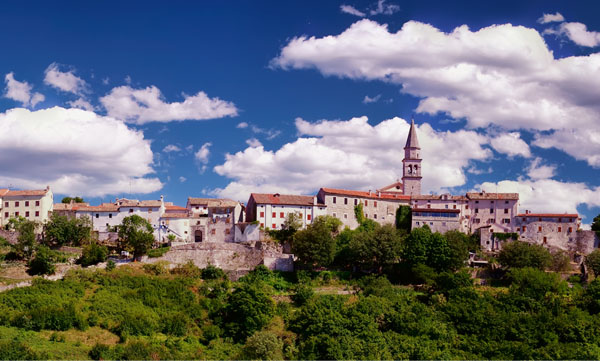
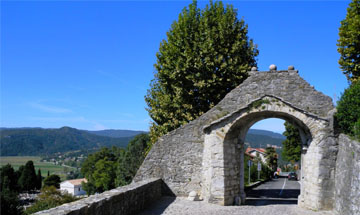
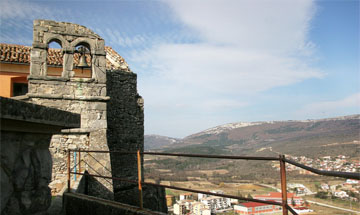
Old Town Pinguente - preserved medieval buildings from the 15th century, two city gates, Vela and Mala gates from the 16th century, the old palace of the captain with coats of arms from the 17th century, a silo with coats of arms and a cistern with Baroque decorations from the 18th century
The parish church of the Assumption of the Blessed Virgin Mary - from the 18th century with an organ dating back to 1787, a Gothic monstrance from the 15th century and a rich collection of silver tableware.
The church of St. George - from the 17th century, with Venetian and Baroque altars, paintings of saints from the 18th century, a bell and Baroque choir stalls.
The church of St. Vid - from the 17th century, with a statue of St. Vid from the15th century.
Nowadays, Pinguente is widely known as the magic territory of Istrian truffles, the buried treasures and culinary king of white and black pearls. This peculiar fungus with a specific taste is a trademark of Pinguente (and the Quatro Terre area in general) because it grows here, in the heart of its wet forests, and can be found only with the help of trained dogs.
On the second weekend in September a large folk festivity also take place in Pinguente with a special attraction – a giant omelette (commonly known as 'fritada' or 'fritaja') with over 2 000 eggs and 10 kilograms off truffles is prepared in a huge pan. This event officially marks the beginning of Truffle Days in Quatro Terre.
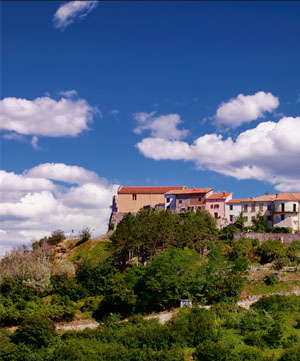
In the surroundings of Pinguente there are some very well preserved medieval towns.